

Introduction
The NFL Divisional Round Schedule is one of the most exciting and strategic parts of the professional football postseason. The divisional stage is a more controlled battlefield where only the strongest teams are left after the Wild Card round’s volatility and uncertainty. This round is all about high-stakes matches, careful game preparation, and tense moments that can change the course of the Super Bowl. Fans who want to know when, how, and why each game plays into the bigger playoff picture need to understand the NFL Divisional Round Schedule.
The divisional round is special because it brings the top-seeded teams into the playoffs. These teams got a bye in the first round because they played so well during the regular season. Now that they’re back in action, people are both excited and critical. The NFL Divisional Round Schedule is made to keep the competition fair while still giving fans big games at different times. This system makes sure that spectators have drama all weekend long and that teams have enough time to be ready.
In the past, the divisional round has been the stage for some of the most famous moments in NFL history. This round separates the real contenders from the fake ones with dramatic overtime finishes, defensive masterclasses, and legendary quarterback performances. The NFL Divisional Round Schedule is more than just a list of games; it is a well planned structure that determines how titles are won.
How the NFL Divisional Round Schedule Is Set Up
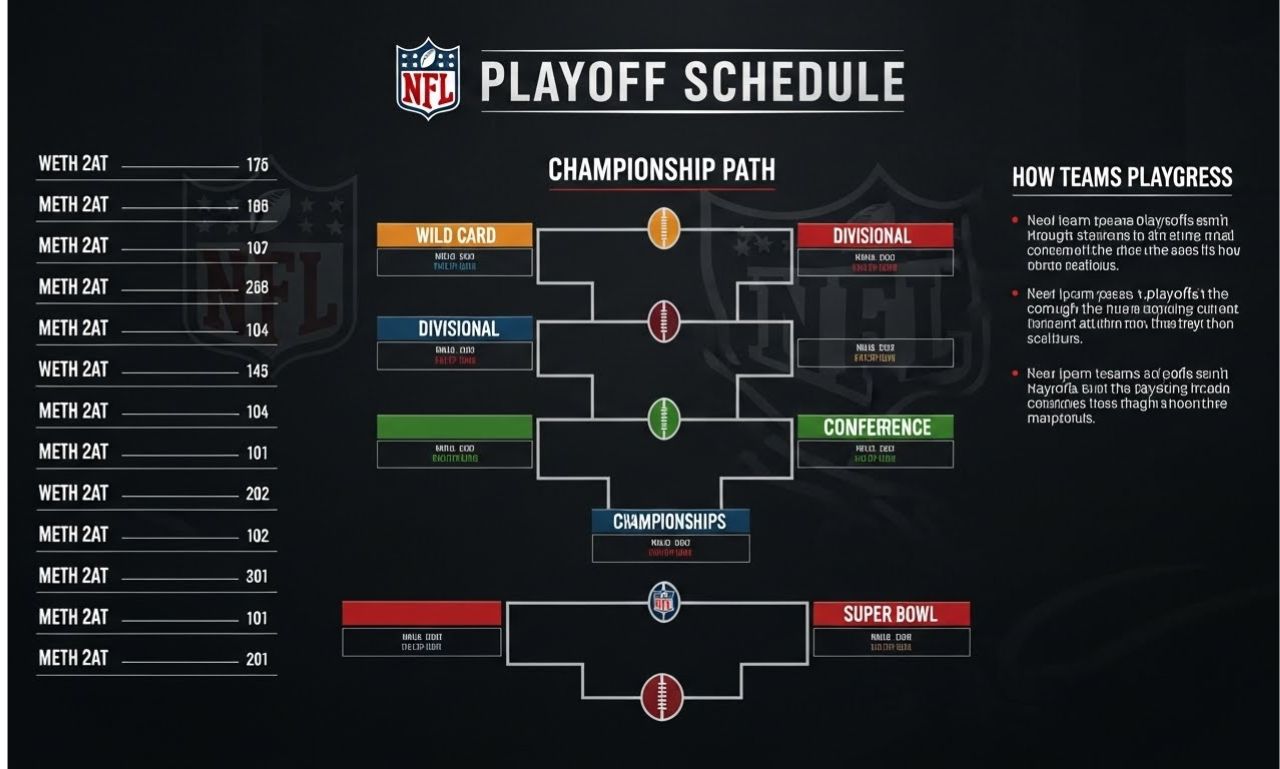
The NFL Divisional Round Schedule is based on how the teams were seeded for the playoffs at the end of the regular season. Four teams from each conference go to the divisional round. These are the number one seed, which had a bye, and three teams that moved on from the Wild Card round. The highest remaining seed plays the lowest remaining seed, and the other two teams play each other in the second encounter in each conference.
This arrangement keeps the competition interesting while rewarding regular-season performance. The NFL Divisional Round Schedule usually lasts two days, with games taking place in the afternoon and evening. This method gives teams the most chance to recover while also making sure that each game gets national attention. The final timetable takes into account the weather, travel plans, and the needs of the broadcast.
The divisional round also changes the level of strategic intricacy. Teams that get to this point have already shown that they can bounce back and change. Coaches need to study their opponents more closely, and players need to be very accurate. The NFL Divisional Round Schedule shows how competitive things are by spacing games so that they don’t overlap and keep the energy up.
Why Seeding Matters in the NFL Divisional Round Schedule
Seeding is very important for figuring out who plays who in the NFL Divisional Round Schedule. The number one seed in each conference gets to play at home, which has been a big role in playoff success in the past. When you play at home, you know the place, the crowd is behind you, and you don’t have to go as far. These benefits are even bigger when there are high-stakes divisional games.
Lower-seeded teams have to deal with more problems, such playing in unfavorable environments and having less time to be ready. However, the NFL Divisional Round Schedule has often shown underdog wins that change what people expect from the playoffs. At this point, upsets are rare but have a big effect on how people think about a team’s strength and momentum.
The seeding technique keeps things fair while still keeping things unpredictable. Every game in the NFL Divisional Round Schedule is a battle of styles, ideas, and postseason experience. This situation makes the divisional round a fascinating case study in competitive balance.
The NFL Divisional Round Schedule with Historical Context

Over the years, the divisional round of the NFL has changed in both format and importance. There were fewer teams and simpler scheduling mechanisms in earlier playoff arrangements. As the league progressed and more people watched, the NFL Divisional Round Schedule got more complicated. This round became the main event of the postseason thanks to prime-time spots, flexible scheduling, and more media coverage.
Memorable divisional games have typically shaped the legacies of champions. Legendary quarterbacks built their reputations in divisional games, while strong defensive groups got attention for their strong performances. The NFL Divisional Round Schedule has always given us moments that stay with us long after the game is over.
The current schedule strikes a balance between old and new. The basic framework stays the same, but changing the kickoff times and how the game is shown on TV makes it easier for people all around the world to watch. This change shows how important the divisional round is to the NFL as a whole.
Conference Breakdown of the NFL Divisional Round Schedule
The schedule for the NFL Divisional Round is split evenly between the AFC and NFC. There are four games during the weekend, with two games in each conference. To keep fans from missing any of the games, they are usually staggered such that they don’t overlap.
In the AFC divisional games, offenses that rely on quarterbacks and aggressive defenses are often on display. On the other hand, NFC games often include balanced offenses and tough play. This difference makes the NFL Divisional Round Schedule more interesting by giving fans a variety of football experiences in one weekend.
Each conference runs its own business, yet the results of all the games affect the road to the Super Bowl. Winning in the divisional round guarantees a spot in the conference championship, which brings teams one step closer to winning the whole thing.
Table One: The Overall Structure of the NFL Divisional Round Schedule
| Aspect | Description |
|---|---|
| Total Games | Four divisional matchups |
| Conferences | Two AFC games and two NFC games |
| Duration | Typically played over one weekend |
| Seeding Impact | Highest seed plays lowest remaining seed |
| Advancement | Winners advance to conference championships |
Timing of games and fan involvement in the NFL Divisional Round Schedule
Timing is an important part of the NFL Divisional Round Schedule. Games are scheduled for the afternoon and evening to get the most viewers. Afternoon games generally take place in outdoor venues with changing weather, whereas nighttime games are more intense because they are played under the lights.
This schedule gives spectators a chance to watch the games all weekend long, which builds excitement. Every game feels like a big deal, thanks to the in-depth commentary that comes before and after. The NFL Divisional Round Schedule makes sure that no game is more important than another, so each game can stand on its own.
From a player’s point of view, the time of the kickoff might affect how they prepare and recuperate. Divisional competition is even more complicated because teams have to adjust to multiple time zones and game settings.
The Strategic Depth of Divisional Round Games
The NFL Divisional Round Schedule is a tipping point where strategy is the most important thing. Teams have enough film on their opponents, so surprises are unlikely. Execution, not new ideas, is what often leads to success. Coaches need to make exact changes, and players need to be able to handle pressure and yet play well.
The divisional round is different from past playoff rounds because of this strategic depth. Mistakes are more noticeable, and changes in momentum can change the outcome. The NFL Divisional Round Schedule shows this by putting teams in situations where they have to win with very little room for error.
The mental side is just as important. Teams that got byes need to shake off the rust, and Wild Card winners need to keep their momentum going. A common theme throughout the divisional round is finding the right balance between rest and readiness.
Table Two: Factors that Affect the Outcomes of the Divisional Round
| Factor | Influence on Games |
|---|---|
| Home-Field Advantage | Crowd energy and familiarity |
| Rest vs Momentum | Bye week recovery versus recent play |
| Weather Conditions | Impact on passing and kicking |
| Coaching Adjustments | In-game tactical decisions |
| Turnover Margin | Often decisive in close contests |
Building a Story and Getting Media Coverage

The NFL Divisional Round Schedule gets a lot of media attention that affects how people see it. Analysts look at legacy stories, championship windows, and choices made by coaches. Every move is given emotional weight because each game is seen as a defining occasion.
This focus on the story makes fans more interested and helps them comprehend the stakes better. The NFL Divisional Round Schedule is the main way that the stories come together in the divisional round.
Players and coaches are very aware of the stories that are going on around them. Part of the competitive challenge is learning how to deal with pressure and expectations. This makes divisional contests even more important.
The Divisional Round’s Effects on Culture and the Economy
The NFL Divisional Round Schedule is important for more than just competitiveness. It has economic and cultural significance as well. The league makes money from the increased interest, and the host cities benefit from the additional activity. During this part of the postseason, sales of merchandise, viewership figures, and advertising reach their highest levels.
Divisional games can bring fans together culturally, making them common experiences. Families, friends, and communities go together to watch, which shows how important the NFL is to sports culture. The NFL Divisional Round Schedule is what makes these group events happen.
This effect goes beyond short-term results; it changes how people recall seasons and how they see teams. A good performance in the division can change how people see a team.
Getting ready for the Conference Championships
The NFL Divisional Round Schedule’s main purpose is to figure out which teams will move on to the conference championships. These games are like doors that test every part of a team’s skills. Only those who can bounce back, be disciplined, and change will progress forward.
Right after a division win, teams start getting ready for the following stage. Coaches watch film, players get better, and teams turn their attention to even bigger difficulties. Because of this, the divisional round is both the end and the start of the playoffs.
Teams that lose at this point generally think about chances they missed, while teams that win gain confidence and momentum. The NFL Divisional Round Schedule makes sure that teams move on by being the best.
In conclusion: Here is why the NFL Divisional Round Schedule is Important
The NFL Divisional Round Schedule is one of the most crucial parts of professional football. It strikes a balance between justice and excitement, tradition and new ideas, rest and momentum. Every game on this schedule is important since it affects the paths to the title and the careers of players.
Fans who know the NFL Divisional Round Schedule better appreciate how complicated and dramatic the sport is. For teams, it’s a place to prove themselves where preparation meets chance. This round is the perfect example of playoff football, where the difference between winning and losing is very small.
As the playoffs go on, the divisional round is still a big deal for fans and analysts. Its structure, intensity, and effect make sure that it will always be an important part of NFL history. This is why the NFL Divisional Round Schedule is so important.
Read More:- George Kittle Injury Update, Recovery Timeline, Impact Analysis

