

Introduction
The talk about George Kittle’s injury has become one of the most talked-about things in professional football, not just because Kittle is such a great player, but also because he is so important to the balance and momentum of the offense. Many people agree that George Kittle is one of the most physically demanding tight ends of the contemporary era. He is a great blocker and an explosive receiver. While this distinctive method works, it puts him at greater physical risk, which is why injuries have been a sad but common theme throughout his career. To understand the george kittle injury, we need to look more closely at how he plays, how much effort he does physically, and the structural demands that tight ends face in the pros.
Football injury stories are rarely straightforward, and Kittle’s is no exception. His injuries have affected not only individual games, but also play-calling, offensive systems, and even the outcomes of the postseason. The talk about George Kittle’s illness goes beyond just one medical diagnosis. It is part of a bigger conversation about how players’ health has changed over time, how to manage their workload, and how to stay healthy in elite-level sport.
George Kittle’s role: Background and Physical Demands

George Kittle’s job is very different from that of other tight ends who receive passes. He is often told to block defensive lineman, fight linebackers in free space, and then switch to running routes against defensive backs right away. The body is under a lot of stress from these recurrent high-impact impacts. When experts look at George Kittle’s injury history, they often talk about the long-term effects of these duties instead of just one occurrence.
Tight ends like Kittle get hit before, during, and after plays, while wide receivers only get hit after catches. His strong blocking style and constant effort to gain yards after the catch put a lot of stress on his joints, muscles, and connective tissue. Over time, this physical toll becomes a major reason why the George Kittle injury story crops up again and again over seasons.
The tight end position has become one of the most physically demanding in football, and Kittle is a perfect example of this change. People often admire how tough he is, yet the way he plays makes it impossible to avoid injury, even with the best fitness and rehab plans.
When and Where did George Kittle Become Hurt
When looking at the George Kittle injury, the context is just as important as the injury itself. Injuries might happen when you do a lot of stretching, take brief breaks, or play games that are really physically demanding. Kittle has had injuries that range from soft tissue strains to trauma from contact, and each one needs a different way to heal.
The apparent severity of an injury is also affected by when it happens during the season. Injuries that happen early in the season may allow for longer recuperation times, whereas injuries that happen late in the season force teams to weigh medical caution with the need to win. When it comes to the George Kittle injury, those in charge must think about short-term availability vs long-term health preservation.
Timelines for recovery are not always straight. Even when a player is back on the field, pain or limited movement can still impair how well they play. This is why the conversation on George Kittle’s injuries generally involves performance data, snap counts, and use trends after he comes back.
A Medical View on the Risk of Injury and Recovery
From a medical point of view, tight ends often hurt themselves by damaging soft tissue, causing joint inflammation, or becoming hurt by an impact. People often talk about how George Kittle’s ailments respond to rest, rehabilitation, and changes in workload. Before letting a player fully participate, medical teams make sure to restore their functional strength, mobility, and confidence.
Modern sports medicine focuses on making rehabilitation strategies that are specific to each person, especially for players who have physically demanding jobs. Rehabilitation therapies for Kittle frequently focus on core stability, lower-body strength, and flexibility to minimize the risk of being hurt again. The process of recovering from George Kittle’s injury also includes instruments for keeping track of things like load management statistics, movement efficiency, and pain response.
Medical clearance means that someone is ready, but it doesn’t mean they will be at their best. Many players, like Kittle, slowly get back to full efficiency through playing games instead than dominating right away. This slow return changes how people think about the George Kittle injury and keeps the discussion continuing among fans and analysts.
Effect on Team Strategy and Offensive Identity
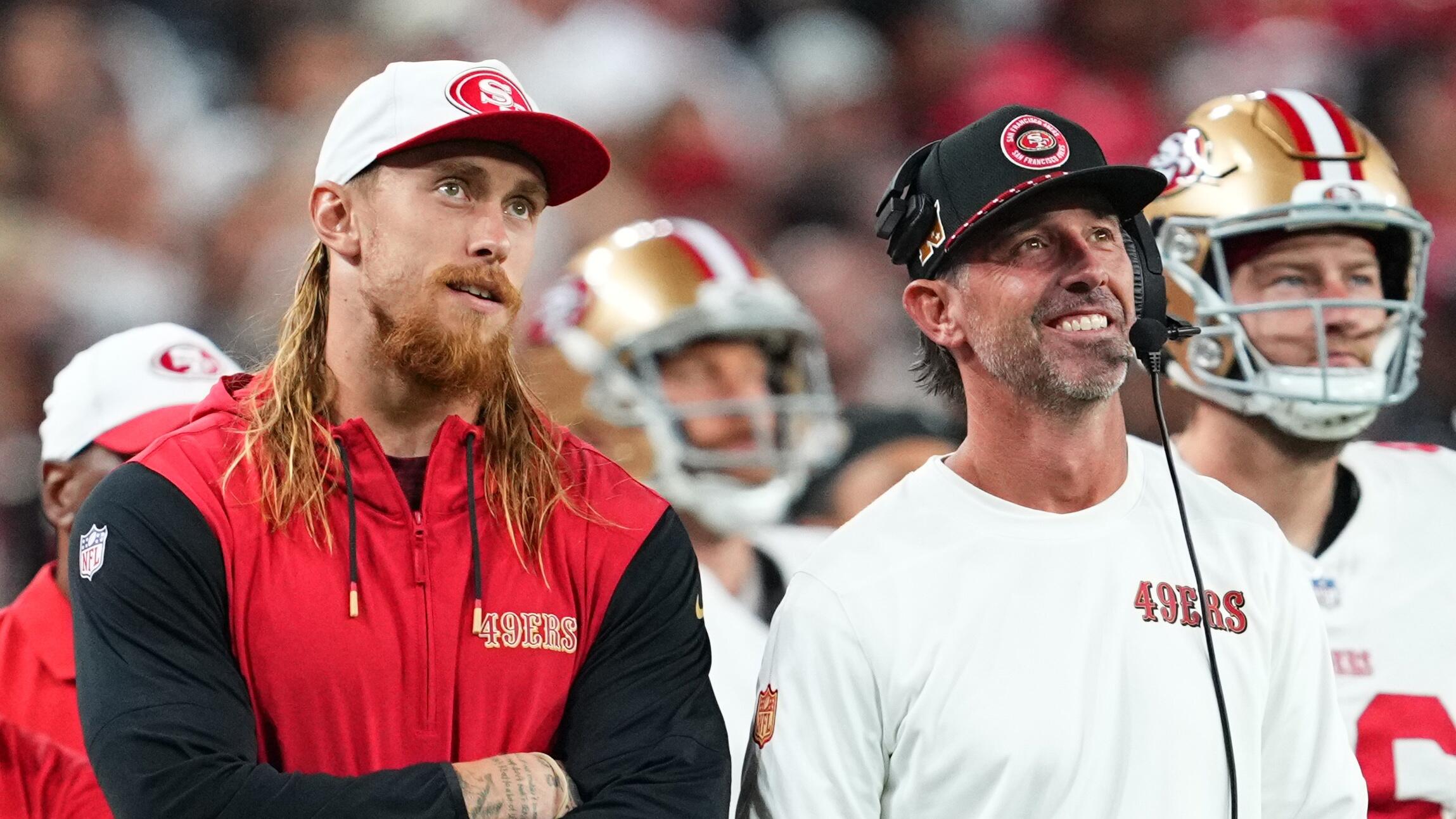
If George Kittle isn’t there or isn’t available much, it changes how the offense works a lot. His ability to play many positions lets coordinators hide formations, take advantage of mismatches, and keep drives going by playing physically. When George Kittle gets hurt and can’t play or has to play fewer snaps, teams usually change their game plan by spreading the field or relying more on wide receivers and running backs.
Blocking plans are most affected. It’s hard to copy Kittle’s capacity to close edges and make running lanes, which means that run design and pass protection have to change. The injury to George Kittle has effects that go beyond the box score. It affects how long the team has the ball, how well they do on third downs, and how well they execute in the red zone.
Coaches also need to think about how things will affect people’s minds. Kittle’s intensity and leadership frequently give his teammates energy. His absence can have a small but significant effect on morale and confidence on the field, showing how the George Kittle injury has effects that go beyond just one roster position.
Analyzing Performance Before and After an Injury
Performance measurements give us a lot of useful information on how injuries affect top players. Before he got hurt, Kittle was known for his explosive speed, strong blocking leverage, and aggressive ability to get yards after the catch. After a George Kittle injury, observers might notice that he gets fewer snaps, runs fewer contested routes, or relies more on short-area patterns.
These changes don’t mean that things are becoming worse; they are merely smart ways to deal with bodily stress. Coaches may minimize exposure to situations with a lot of consequence while slowly giving players back all of their duties. This balancing act is typically part of the recuperation period for George Kittle’s injury. It makes sure that he can still be productive without putting his long-term availability at risk.
During these times, you need to be careful when interpreting statistical changes. Short-term drops in productivity don’t always mean that skills have gone down; they can be mean that people are following medical advice and using their skills in a regulated fashion.
Table One: Physical Requirements vs. Injury Risk Factors
| Aspect of Play | Physical Demand Level | Injury Risk Contribution |
|---|---|---|
| Inline Blocking | Very High | Elevated joint and shoulder stress |
| Route Running | High | Soft tissue strain risk |
| Yards After Catch | Very High | Impact and torsion injuries |
| Pass Protection | High | Hand and upper body trauma |
| Open-Field Contact | Very High | Cumulative wear and tear |
This table shows why the talk about George Kittle’s injuries is so closely related to the many different things he has to do in his job. Every part of his game adds a little bit to the risk of getting hurt.
Long-Term Durability and Career Factors
Long-term longevity is a major worry for players who always play at their highest physical level. The story of George Kittle’s injuries often makes people wonder how players can keep playing at a high level for a long time. Adaptation is necessary, whether it’s by improving your technique, managing your contacts better, or taking breaks at the right times.
Veteran athletes often change how they play to avoid unnecessary accidents while still being productive. For Kittle, this could mean only blocking certain people or using him in certain situations to keep his impact. The history of George Kittle’s injuries shows how important it is to adapt to change instead than fighting it.
Teams are putting more emphasis on lifespan by using recovery science, nutrition optimization, and mental health care together. These steps are meant to help people keep their jobs longer while still producing high-quality work.
Psychological and Leadership Aspects

Recovering from an injury isn’t just about getting better physically. The mental part of getting back to full-speed competition has a big effect on how well you do. The george kittle injury healing procedure needs a lot of confidence, trust in one’s body, and mental toughness.
Many people think of Kittle as a vocal leader whose enthusiasm affects the culture of the team. During times of injury, leadership duties often change to include mentoring and being involved on the sidelines. This continued presence strengthens the team’s bond and shows that George Kittle’s injury doesn’t make him less valuable to the squad.
Being mentally ready is frequently the last step in getting better. Players usually start to perform better once they trust their movements again. This is why patience is so important throughout rehabilitation.
Table Two: Phases of Recovery and Performance Indicators
| Recovery Phase | Primary Focus | Expected Performance Traits |
|---|---|---|
| Initial Rehab | Pain reduction and healing | Limited mobility |
| Conditioning | Strength and flexibility | Controlled participation |
| Reintegration | Timing and confidence | Gradual workload increase |
| Full Return | Performance optimization | Near-peak effectiveness |
This table shows the planned development that happens when someone recovers from a George Kittle injury. It shows that readiness is created over stages, not sudden changes.
How the Media Covers It and How the Public Sees It
Media stories often make discussions about injuries bigger, which can lead to inaccurate expectations about how quickly someone will heal. There has been a lot of talk about George Kittle’s injury, and the rumors often go beyond what doctors say. Fans naturally want quick results, but consistent success needs focused patience.
How people talk about injuries can be affected by how the public sees them, but teams and medical staff make decisions based on statistics. Clear communication helps set expectations and keep players safe. The discourse about George Kittle’s injuries is better when people think about it instead of just reacting.
Conclusion
The injury to George Kittle is more than just a momentary setback. It shows the bigger problems that top players face when they have to balance physical strength with strategic sophistication. His injuries are a result of the demands of modern game, not a lack of preparation or strength. Knowing these things helps you understand and appreciate the difficult balance between performance and preservation.
As sports science gets better, it may become easier to recover from injuries and more accurate to avoid them. Adaptation and smart task management will probably be the most important things for George Kittle in the next phase of his career. The story of George Kittle’s injuries shows how strong you have to be to do well at one of football’s hardest positions while dealing with the physical consequences that come with being great.
Read More:- Steelers vs Baltimore Ravens Match Player Stats Full Analysis 2026

