

Introduction
Makar Sankranti is one of the oldest and most popular celebrations in India. It is a big change in the stars and represents good things, new beginnings, and longer days. This event is based on the solar cycle instead than the lunar calendar, hence its date is virtually always the same. The celebration is a change in energy, hope, and thanks for the wealth of nature.
This celebration has a lot to do with farming, spirituality, and bringing people together. People in different parts of India celebrate it in different ways, with distinct meals, traditions, and ceremonies, but the essence is the same. Sharing, flying kites, making traditional sweets, and praying together all bring people together and make them feel warm.
Makar Sankranti is important not just because of its religious significance, but also because it marks the change of seasons and how people can get along with nature. It tells individuals to stop being negative and start being kind, which is shown by exchanging sweet sweets and lovely words.
The Festival’s Importance in Astronomy

The celebration symbolizes the time when the Sun moves into the zodiac sign Capricorn, which is also called “Makar.” This movement marks the start of Uttarayan, which is a very lucky time in Indian culture. From this day forward, the days will get longer and the nights will get shorter. This shows that light has won over darkness.
Indian academics paid special attention to the movements of the sun in ancient times, and this change was viewed as a big cosmic event. The Sun’s northward voyage is linked to growth, clarity, and spiritual awakening. A lot of individuals think that everything done during this time will have good effects and benefits in the long run.
The fact that this holiday is so important to astronomy makes it a mix of science, spirituality, and seasonal awareness. It reveals that old traditions were based on careful observations of nature.
History and Where It Came From
This event has its roots in the Vedic period, which was thousands of years ago. Old scriptures talk about how important solar changes are and how they affect people’s lives. Farmers used the celebration as a time to give thanks following the harvest season.
In the past, it was also a time for communities to get together to celebrate their wealth and pray for more wealth in the future. Kings and other leaders set up fairs, ceremonies, and charitable events to celebrate the event. The festival changed over the years, adding local foods and traditions while keeping its essential ideals.
The fact that sages, warriors, and mythological people chose this time for spiritual deeds makes makar sankranti even more hallowed. These legends made its cultural and religious meaning stronger throughout time.
Religious and Spiritual Significance

The event is seen to as a time of spiritual cleansing and rejuvenation. A lot of people believe that taking a holy swim in a river wipes away their sins and clears their minds. People often pray, give to charity, and practice self-control during this time.
Food, clothing, and grains are extremely helpful when given as gifts. Being thankful for nature and caring for others is what sharing resources is all about. People think that being kind during this time will bring you more good karma.
Makar Sankranti also helps people change from the inside out. People are encouraged to leave ignorance behind and progress toward knowledge, serenity, and self-improvement, just like the Sun changes its course.
Names and Holidays in Different Areas
The festival is called by one name in numerous areas, yet it is called by multiple names in different parts of India. The celebration is colorful and diverse because each region brings its unique cultural personality to the table.
Table 1: Names of Regions and Local Customs
| Region | Local Name | Key Celebrations |
|---|---|---|
| Maharashtra | Sankrant | Til sweets, family gatherings |
| Gujarat | Uttarayan | Kite flying festivals |
| Tamil Nadu | Pongal | Harvest rituals, rice dishes |
| Punjab | Lohri | Bonfires, folk songs |
| Assam | Magh Bihu | Community feasts |
Even though the ceremonies are different, the meaning of makar sankranti stays the same: to celebrate the harvest, give thanks, and start fresh.
Foods from the Past and What they Mean

Food is a big part of the celebration. The ingredients are closely related to seasonal fruits and vegetables and health benefits. People often include sesame seeds, jaggery, rice, and lentils in their holiday meals.
Sesame and jaggery sweets stand for warmth, togetherness, and sweetness in partnerships. The adage “speak sweet words” is a good way to remember the moral message of the celebration. These nutrients also give the body energy and warmth, which helps it adjust to changes in the seasons.
During Makar Sankranti, rice-based dishes are made to show wealth and health. Sharing meals brings people closer together and makes them feel like they are part of a group.
Kite Flying and Getting to Know Your Neighbors
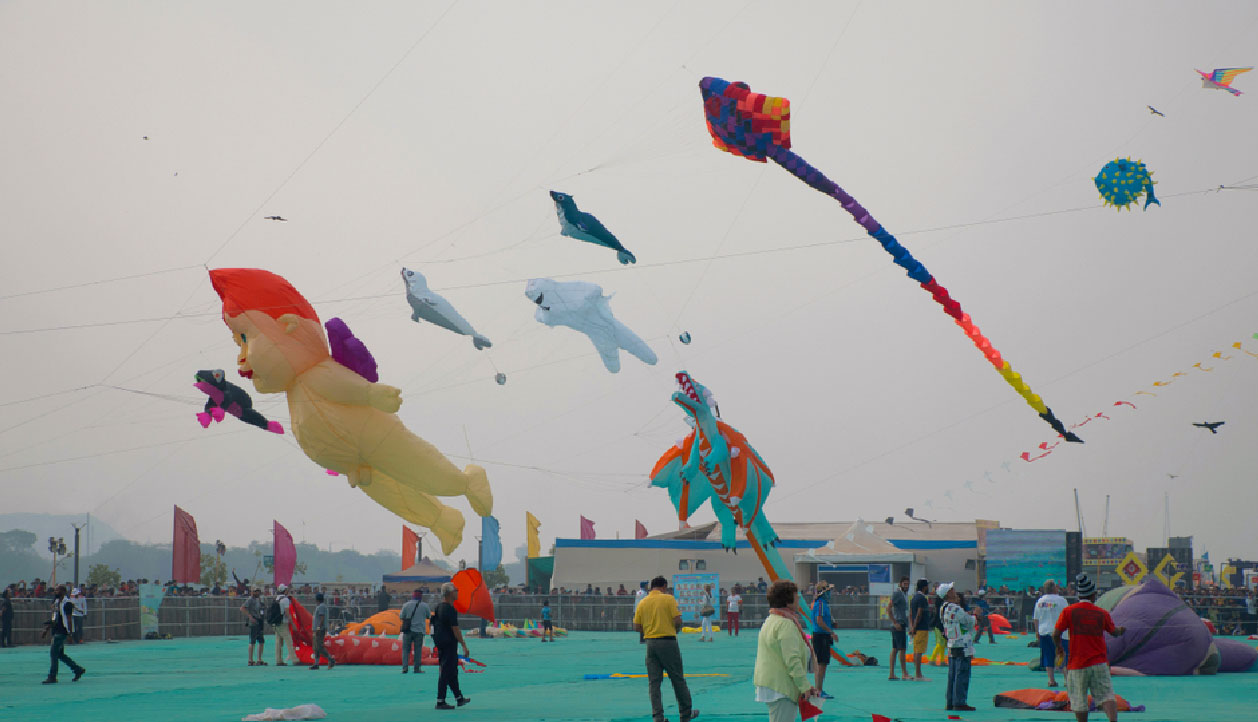
Flying kites is one of the most fun and beautiful parts of the celebration, especially in western India. Colorful kites in the sky stand for freedom, happiness, and celebration. It makes rooftops into places where families and neighbors may get together.
This pastime encourages fun competition, laughter, and making memories with others. People of all ages take part, making it a celebration for people of all ages. The cheers and music make the party even more fun.
Makar Sankranti becomes a holiday that brings people together across religious lines when people fly kites. The focus is on happiness and unity.
The Importance of Farming and Thanking Farmers
The celebration has a long history in farming. In many parts of India, it symbolizes the conclusion of the winter harvest season. Farmers celebrate their hard work and thank nature for a good harvest.
People pray for grains, fruits, and vegetables that are picked during this period. Community feasts show that there is plenty for everyone and that everyone is doing well. This link to farming shows how much human life depends on the cycles of nature.
Makar Sankranti reminds people how important it is to respect farmers, the land, and ways of living that are good for the environment.
Rituals and Traditions Followed
Rituals differ from place to place, yet they all include the same themes of regeneration, thankfulness, and purification. Taking baths in the morning, praying to the Sun, and giving food are all common things to do.
Rangoli and flowers are used to decorate homes to show that they are welcoming and positive. Putting on new or traditional clothes is also common, as it signals a new beginning.
Giving to charity is a big part of makar sankranti. Giving basic needs to those in need fosters empathy and social responsibility.
Festivals and Cultural Performances

There are cultural events, folk dances, and fairs that go along with the holiday in many places. People come together through music, stories, and traditional activities.
These events keep local art forms alive and provide people a place to show off their culture. They also give artists and entertainers a chance to make money.
Makar Sankranti supports cultural identity and continuity through these celebrations.
Changing Trends and Modern Celebrations
The event has changed with the times but still holds on to its essential beliefs. Organized kite festivals, community activities, and digital greetings are all ways that people in cities celebrate.
People use social media to share their wishes and holiday moments. Families still put a lot of importance on traditional meals, traditions, and values, even though things have changed.
The fact that makar sankranti can change while still being based on tradition shows that it is still important.
Being aware of the Environment and Celebrating Responsibly
More and more individuals are celebrating the holiday in ways that are good for the environment. Using kites that break down in the environment, natural colors, and making less trash shows that you care about nature.
These actions are in line with the festival’s basic ethos of living in peace with nature. Sustainable festivities make sure that having fun doesn’t hurt the environment.
So, Makar Sankranti is not just a cultural occasion; it also reminds people to take care of the environment.
Shared Values and Social Harmony
One of the best things about the festival is that everyone is welcome. People from diverse neighborhoods get together to celebrate, give each other treats, and spread good will.
The celebration encourages respect, harmony, and understanding between people. It makes people think about their relationships with others and their own pleasure.
Makar Sankranti enhances the social fabric and shared values by stressing love and giving.
Table 2: Important Symbols and What They Mean
| Symbol | Meaning |
|---|---|
| Sun | Energy, growth, clarity |
| Sesame seeds | Warmth, unity |
| Jaggery | Sweetness in relationships |
| Kites | Freedom and joy |
| Harvest grains | Prosperity and gratitude |
These symbols make the deeper meanings of the celebrations and ceremonies stronger.
Lessons in Morals and Education
The festival teaches fundamental things about life. It stresses being thankful for what we have, being kind to others, and respecting nature.
Kids learn how important it is to share and be a part of their community. Elders keep cultural traditions alive by passing along stories and traditions.
Makar Sankranti turns into a live school where people learn values by doing them instead of just hearing about them.
Spiritual Reflection and Growth as a Person
The event is more than just a time to celebrate with others; it also encourages people to think about themselves. People are urged to look at their lives and accept positive change, much like nature does.
People can reconnect with themselves during this time by meditating, praying, and being mindful. The celebration gives people a chance to rejuvenate their spirits and gain clarity.
This inner side of makar sankranti gives it more meaning and depth on a personal level.
In conclusion
Makar Sankranti is more than just a holiday that happens once a year. It is a time to celebrate light, development, thankfulness, and living in harmony with nature. It is based on old wisdom and has been passed down through the generations. It still inspires people to be positive and work together.
The festival is one of a kind and will never go out of style because it combines astronomy, farming, spirituality, and culture. Its message is still strong and important, whether it is commemorated with ceremonies, food, flying kites, or quiet thought.
Makar Sankranti teaches us to be generous, start over, and appreciate nature. It also reminds us of how beautiful balance is in life and how much fun it is to share customs.
Read More:- Happy Makar Sankranti Wishes: Meaning, Messages, Traditions

